Bridging Gaps, Building Futures: How REST Centres’ Bridge of Hope Program is Transforming The Lives of Youth
By: Ben Bempah and Dagma Koyi
Originally published September 16, 2025 on Homeless Hub

In Peel Region, youth homelessness remains an urgent and racialized crisis. Black youth, like many other marginalized groups, face significant barriers to obtaining stable housing due to structural inequities, systemic racism, and a lack of affordable options. Recognizing these challenges, REST Centres launched the Bridge of Hope (BoH) program to provide not just housing but a pathway to achieving self-sufficiency.
What is the Bridge of Hope (BoH)?
The Bridge of Hope program, led by REST Centres, supports BIPOC youth aged 16 to 24 who are experiencing or at risk of homelessness. At its core, the Bridge of Hope program focuses on facilitating rental spaces with local landlords who are willing to act as bridge builders for the youth regarding the provision of dignified shelter. This unique model involves carefully connecting youth tenants with landlords to create a nurturing and supportive living environment outside the traditional landlord-tenant relationship. BoH aims to foster a sense of belonging, stability, and familial support for youth experiencing or at risk of homelessness.
The Importance of the BoH Model
The Peel region 2024 PiT Count report showed that nearly one in five individuals experiencing homelessness in Peel are youth aged 15 to 24. More than half of these youth identify as Black, with 41% as Black African and 13% as Black-Afro-Caribbean or Afro-Latinx. This overrepresentation is not consistent with the general population, indicating ongoing systemic inequities.
It is further accounted in the report that there has been a 34% increase in Black African youth respondents compared to the previous count. Many of these youth face multiple challenges, including recent migration, racial discrimination, poverty, and involvement with the foster care system. Among youth with a foster care background, 33% are between 16 and 24 years old. These buttress the fact that Black youth remain overrepresented in both the child welfare and homelessness systems, which points to a persistent cycle of vulnerability. Additionally, systemic racism and a lack of culturally appropriate services make it even harder to find lasting solutions for youth who are at risk of experiencing homelessness.
The BoH program directly responds to these realities, offering a holistic, culturally grounded model that understands and addresses the unique needs of BIPOC youth. Bridge of Hope is an evidence-based program that offers an alternative to shelters by connecting tenants with landlords in the community.
How It Works
REST Centres partners with landlords who are willing to rent to program participants and then provides wraparound supports, including:
Housing navigation and placement
Rental subsidies
Culturally responsive and trauma-informed landlord and tenant training
Mental health and emotional wellness support through programs like H.E.R.O. (Healing Emotional Recovery and Opportunity)
Employment and life skills training via the L.I.F.E.E. (Learning Initiative Fostering Employment) program
Family mediation through the FIRM (Family Intervention and Reunification Management) program
Basic needs support, such as furnishing, food, and hygiene supplies, through the BARE Necessities
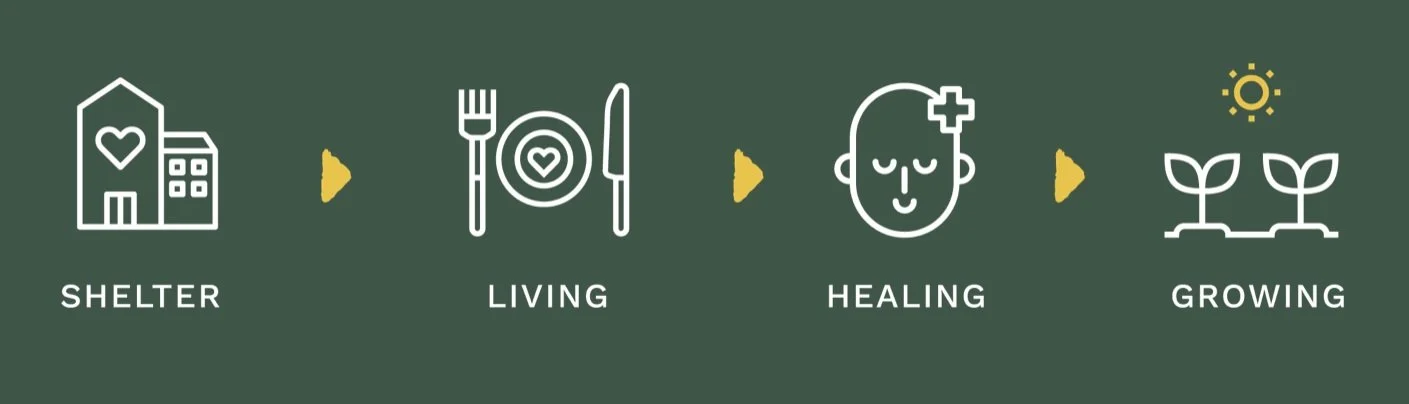
Youth in the program work with staff to develop individual care plans, access services, and gradually transition to independent living.
Expansion for Greater Impact
In response to growing demand and continued barriers in the rental market, REST is developing an expanded BoH model where REST becomes the primary leaseholder, subleasing units to youth. This shift aims to remove landlord bias and simplify access to housing for vulnerable youth.
The expansion also includes:
Implementation of Peel Region’s only Black Occupied Youth Housing (REST House) acquired in 2025, with policies developed to support this model.
Strengthened staff training in trauma-informed, anti-racist, and client-centred approaches.Ongoing monitoring and evaluation to refine the model.
REST is also working to establish a Project Advisory Committee with youth, landlords, and community representatives, and to build partnerships with Legal Aid experts, culturally aligned landlords, and community organizations to ensure the program’s sustainability.
What’s Next?
The expansion will begin with a pilot phase, followed by staged growth based on learnings. In the medium and long term, REST aims to broaden outreach, increase access to mental health supports, and advocate for systemic change, all while staying rooted in community-led, culturally responsive care.
Final Thoughts
The Bridge of Hope program is more than a housing initiative; it’s a commitment to justice, equity, and possibility for youth who have too often been overlooked. By walking alongside youth and building bridges, not just homes, REST Centres is helping a new generation imagine and achieve brighter futures.