Youth Voices From Bridge of Hope: An Evidence-Based Upstream Program Model for Preventing Black Youth Homelessness
By: Lindsay McRae
Originally published November 12, 2025 on Homeless Hub

“The only people [who don’t understand how important it is to have safe, secure housing] are people who have always had a safe and secure place to live.”
— Kurgeena, Lived Experience Expert at REST Youth Council
From racial discrimination in the housing market to blind spots in child welfare and income supports, Black youth at risk of or experiencing homelessness are navigating systems that were never built with them in mind, according to Dagma Koyi, Executive Director at REST Centres. She goes on to highlight that Black youth homelessness in Toronto and across the GTA is not a personal failure — it’s a systemic one.
In Peel, nearly one in five people experiencing homelessness are youth aged 15–24, and over half are Black. Many face intersecting barriers like racism, poverty, and the lasting effects of child welfare involvement. Youth leaving care are 200 times more likely to experience homelessness than their peers — creating cycles of instability that begin early and persist for years. Dagma Koyi says, “This is not a moment to reform what is broken. It’s a moment to rebuild systems with Black youth at the center,” emphasizing the need to invest in upstream solutions that combine housing, mentorship, and mental health supports.
To shed light on the lived experience of these realities, members of the REST Youth Council — young people with lived experience of homelessness — shared how systemic barriers shaped their paths, how REST Centres’ Bridge of Hope program created stability, and what they want policymakers and the public to know about ending youth homelessness.
“When I was 16, I was trying to find my own place…but I dealt with a lot of ageism and racism with landlords — they didn’t take me seriously because of their preconceived notions. It’s hard to do everything on your own, especially when it feels like everything is fighting against you.”
— Sammi, Lived Experience Expert at REST Youth Council
Bridge of Hope: The Upstream Solution for Preventing Black and BIPOC Youth Homelessness
REST’s Bridge of Hope is an evidence-based shelter diversion program that partners with landlords to provide safe, affordable housing for Black and BIPOC youth aged 16–24 in Peel Region.
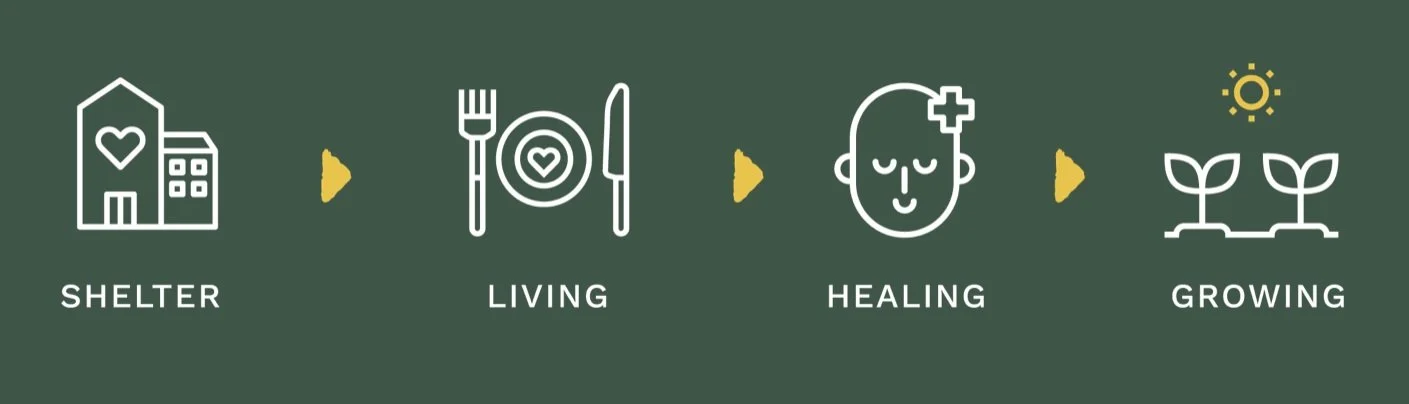
The first program of its kind in Peel Region, Bridge of Hope is an evidence-based program that offers an alternative to shelters by connecting tenants with landlords in the community.
After securing shelter, REST leads regular follow-ups to support youth and landlords with ongoing support and to ensure positive outcomes.
Why Do Youth Find Bridge of Hope Program is So Impactful?
1. Bridge of Hope Co-Signs Rental Agreements and Provides Tenant Education
“Youth don’t get much trust from landlords. Having REST as co-signers is very helpful — it gives landlords more confidence in our youth because they know that we’re backing them.”
- Jacqui, Program Lead at REST Centres
“A big barrier for me [when I was looking for housing] was not knowing who to talk to or what resources to look for.”
- Kurgeena, Lived Experience Expert at REST Youth Council
“Tenant education was a big barrier for me and not knowing how to navigate the way with landlords.”
- Kai, Lived Experience Expert at REST Youth Council
2. Bridge of Hope Ensures Every Youth Has a Case Worker
“One of the key parts of Bridge of Hope — the game changer — is that they have case managers. The case manager provides those wraparound supports, helps them set goals, helps them to find jobs. Case managers provide a lot of necessary support and resources — things like taking them grocery shopping or back-to-school shopping.”
- Jacqui
“Having a case manager is having someone who supports you. They helped me to think about my future, and come up with plans for myself. Having a person who is knowledgeable and supportive in your corner feels amazing.”
- Kai
“A lot of us are coming from situations where we didn’t really have those trusted adults around us — but REST models what support from a trusted adult should look like — whether it’s just being our mentor or being someone we can confide in. For those of us aging out of the program — [this program] shows us how we’d like to model ourselves as trusted adults in the future.”
- Kurgeena
“Programs like [Bridge of Hope] are very helpful — especially because of the case workers. REST takes on case workers who used to be clients. That relatability is very important. It’s important to have mentors that have been through similar types of situations.”
- Machei, Lived Experience Expert at REST Youth Council
3. Bridge of Hope Provides Subsidies to Help Youth Afford Living Costs
“Without those subsidies, a lot of our youth would not be able to afford rent.”
- Jacqui
“The REST subsidy and the monthly gift cards are really helpful.”
- Sammi
4. Bridge of Hope Delivers Wraparound Supports That Build Stability
“From the case workers to the [Bridge of Hope program] that REST offers, everything has left a positive impact on my life. I came into the program two years ago when I was going through housing and financial insecurity, and my housing worker was able to work out a plan with me and help me find a sense of mental stability. That stability has transferred into the rest of my life.”
- Sammi
“[Bridge of Hope] gives you those life skills that help you feel more together and makes you want to pursue bigger things in your life, because you know that there is someone in your corner — and it helps you be in your own corner more too.”
- Kurgeena
Through a holistic, culturally rooted model designed around the distinct needs of Black youth, Bridge of Hope offers more than housing — it provides dignified shelter and a clear path toward self-sufficiency.
What the Youth Council Wants Policy and Decision-Makers to Know About Preventing Youth Homelessness
1. Instability Keeps Youth in Survival Mode
“If you don’t feel safe where you’re living or you don’t have stability, you get stuck in survival mode, that stagnates you. That manifests across your life—whether that be with relationships, school or work. It’s impossible to regulate those things without having a stable home.”
- Sammi
“If you’re starting your day in a bad [home] environment and then you go through your whole day knowing that you’re going to end up back in that same bad environment, it makes it really hard to be dialed in and focused.”
- Kurgeena“If you don’t have housing and you’re working and you’re going to school, it’s something you think about constantly — it’s very stressful.”
- Hadiza
2. Housing Must Come Before Everything Else
“In Canada, we all know how cold the winter gets — try spending a night outside in the cold to see how they feel in the morning. See how easy it is to do things like go to school or go to work or to just be a functioning human being the next day. It would be most people’s worst nightmare.”
- Sam
“It’s important for youth to have environments and spaces where they can switch off from survival mode. And home base is really the most important place for that. It isn’t just about having a good school system or about having a good work environment — it’s about having a place that feels like home.”- Kurgeena
3. Prevention Means Giving Youth the Tools to Build Stability
“I wish they understood that youth are developing into adults…we have a desire to build up our lives. [Programs like Bridge of Hope] give us the stability and the place to call home that we need to build our lives.”
- Geo, REST Youth Council
“What policymakers and decision-makers need to understand is that when people have come from a point of disadvantage, it’s really our responsibility as a society to give them a leg-up. All of the youth at Bridge of Hope have a number of barriers and challenges that they have to deal with — and for some of them, it’s just been a rough start to life. [These youth] want to build their lives, but they need materials to build with. You can’t build a house without bricks. And so REST is there to give them those bricks and the other materials they need to build their lives.”- Jacqui